
Decorative Crystal Components
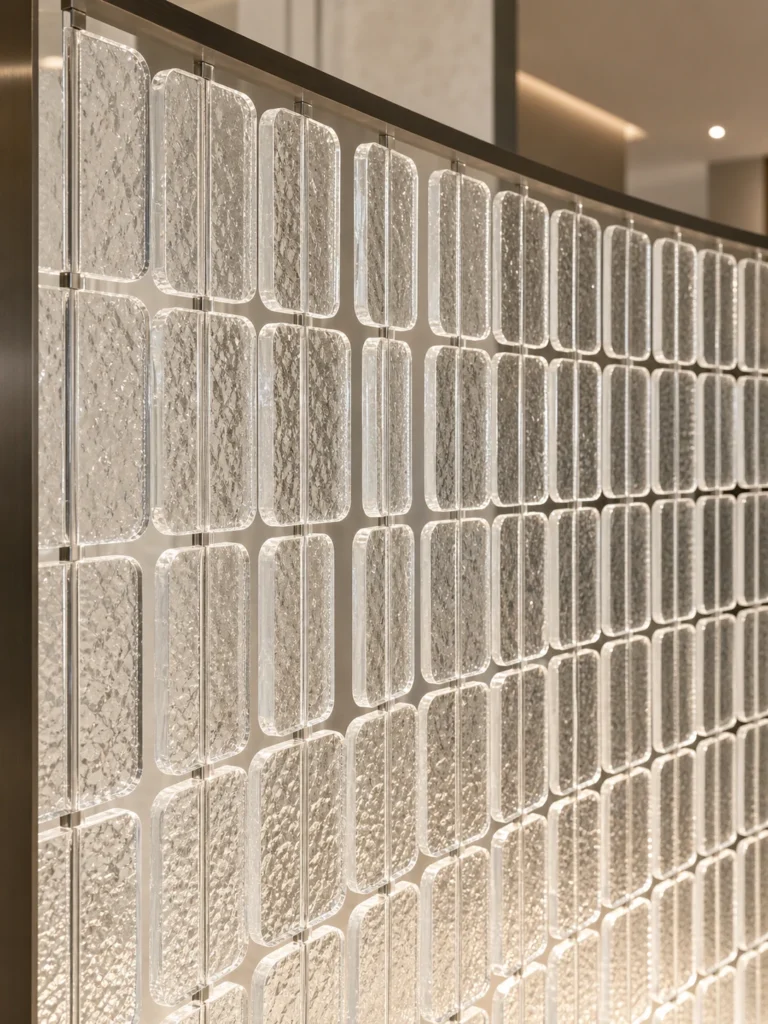
Fiber Optic Texture Crystal Panels for clean transmitted-light effects.
Compare fiber-optic texture panel references, baked-color directions and metal frame options for illuminated partitions and interior systems.
01 · Project fit
Start with the application. Then shape the system.
The first decision is not a SKU. It is whether this crystal-and-metal system fits the spatial role, visual direction and site condition.
Decorative partitions
A strong direction for hospitality, villa, restaurant, retail and entrance-zone screens.
Linear crystal rhythm
A lighter, slimmer visual rhythm than dense square-module compositions.
Size or image
A rough opening, elevation, drawing or visual reference is enough for the first review.
System not final yet
Fixing, frame, finish, packing and responsibility are confirmed project by project.
02 · Crystal models & baked color
Many models. One project direction.
Choose the crystal form, then select clear or custom baked-color directions. Final appearance is confirmed by project sample.
Use the reference number when sending an inquiry. Most designs can be reviewed and ordered from the image reference. Final size, material and production details are confirmed before quotation or production.
Crystal models
Choose by panel texture and transmitted light
Crystal color options
Choose a crystal color direction
Compare one clear-crystal reference and nine common baked-color directions. The standardized crystal bar makes color easier to judge; it is a material reference, not a product model.
03 · Application evidence
Judge the rhythm in space. Not only the piece.
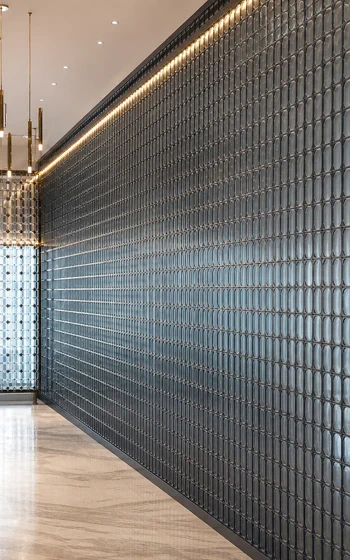
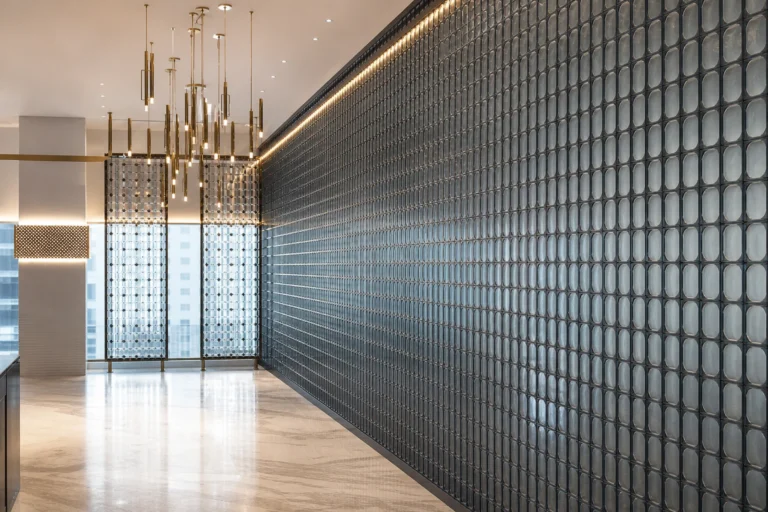
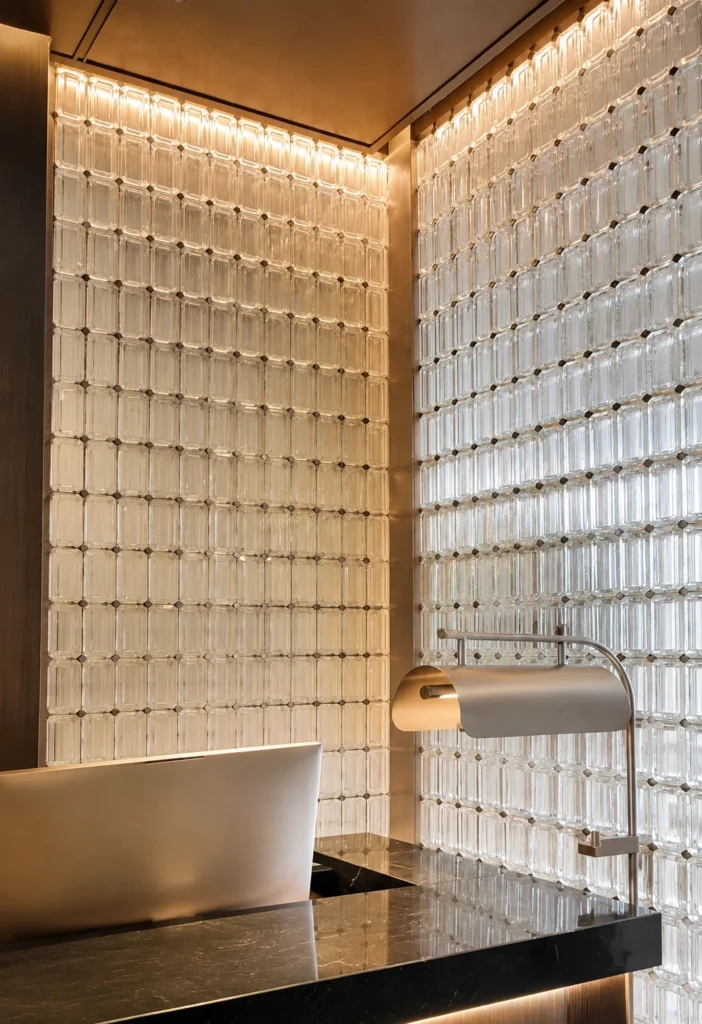
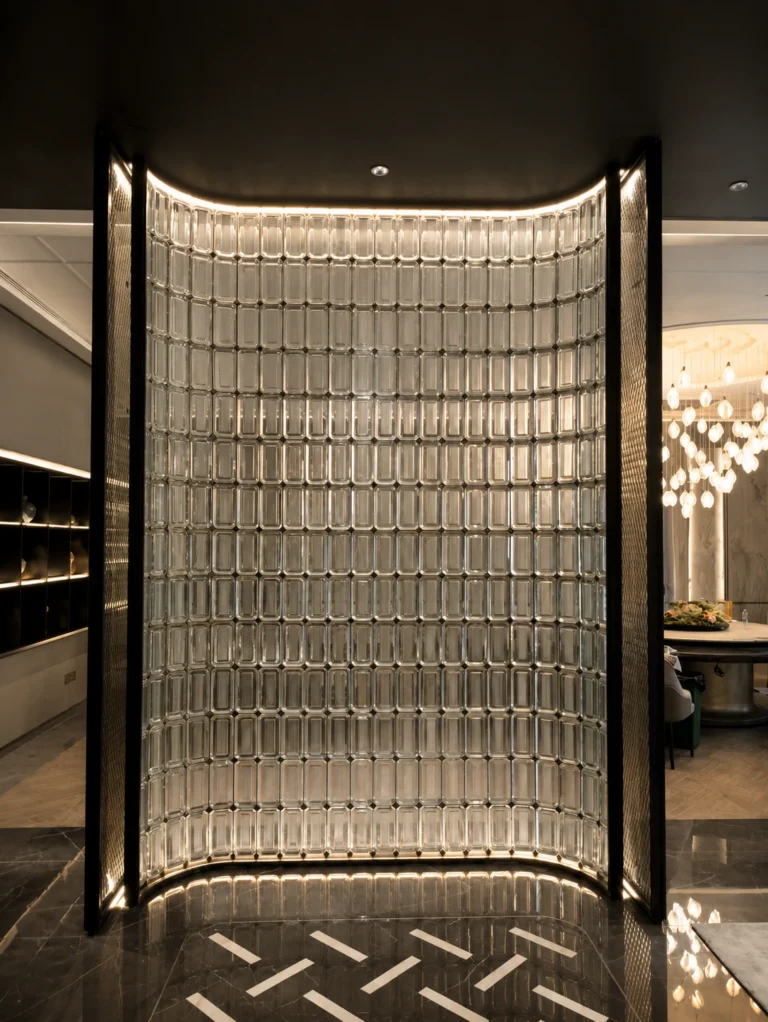
View application scenes to understand panel density, frame proportion, light and sightline. These images are for visual review and do not need to be selected.
04 · Accessory support
Metal support in the details. Built into the complete system.
LMC's metalwork experience helps coordinate visible accessories, connection points, frame integration and fixing support around each crystal product family.
05 · System & fixing logic
Move from a visual reference. Into project coordination.
The page helps both sides establish direction. It does not replace site verification, technical review, sampling or final responsibility confirmation.
- 01
Choose direction
Crystal form, crystal color and metal color.
- 02
Share site input
Dimensions, drawing, destination and fixing condition.
- 03
Review feasibility
Layout, edge detail, connection and project boundaries.
- 04
Confirm by project
Sample, quantity, packing, lead time and responsibility.
06 · Project selection matrix
Know what to judge. Know what to send.
A compact decision guide for the most common B2B application routes.
| Application route | Primary judgment | Useful project input |
|---|---|---|
| Screen / partition | Panel rhythm, sightline, privacy | Reference image + site size |
| Feature wall | Light, texture, frame proportion | Wall size + elevation |
| Hanging layer | Suspension, spacing, access | Ceiling condition + layout |
| Other custom use | Application and responsibility boundary | Drawing + visual reference |
Screen / partition
Judge: Panel rhythm, sightline, privacy
Send: Reference image + site size
Feature wall
Judge: Light, texture, frame proportion
Send: Wall size + elevation
Hanging layer
Judge: Suspension, spacing, access
Send: Ceiling condition + layout
Other custom use
Judge: Application and responsibility boundary
Send: Drawing + visual reference
07 · What you send
Start with the decision inputs.
- Application and project stage
- Site size, elevation or drawing
- Preferred model, color and metal direction
- Destination, quantity direction and timeline context
08 · What LMC returns
A clearer project response.
- Relevant product and application references
- Questions needed for feasibility review
- Proposed sample and confirmation route
- Project-specific commercial follow-up
09 · Project confirmation
Send a useful brief. Then confirm the facts.
No final fixing, engineering, MOQ, packing, quantity or lead-time promise is made before the relevant project conditions and source information are reviewed.